Rutgers Symposium on the Intersection of Cognitive, Sensory and Affective Neuroscience
The Cognitive & Sensory Neuroscience FAWG (CSN-FAWG) and Motivational & Affective Neuroscience FAWG (MAN-FAWG) at the Rutgers Brain Health Institute will host the Rutgers Symposium on the Intersection of Cognitive, Sensory and Affective Neuroscience on May 11th, 2026, 10 AM – 4 PM at Masker’s Barn, Berkeley Heights, NJ.
Early registration is now open through April 11.
Keynote Speakers:
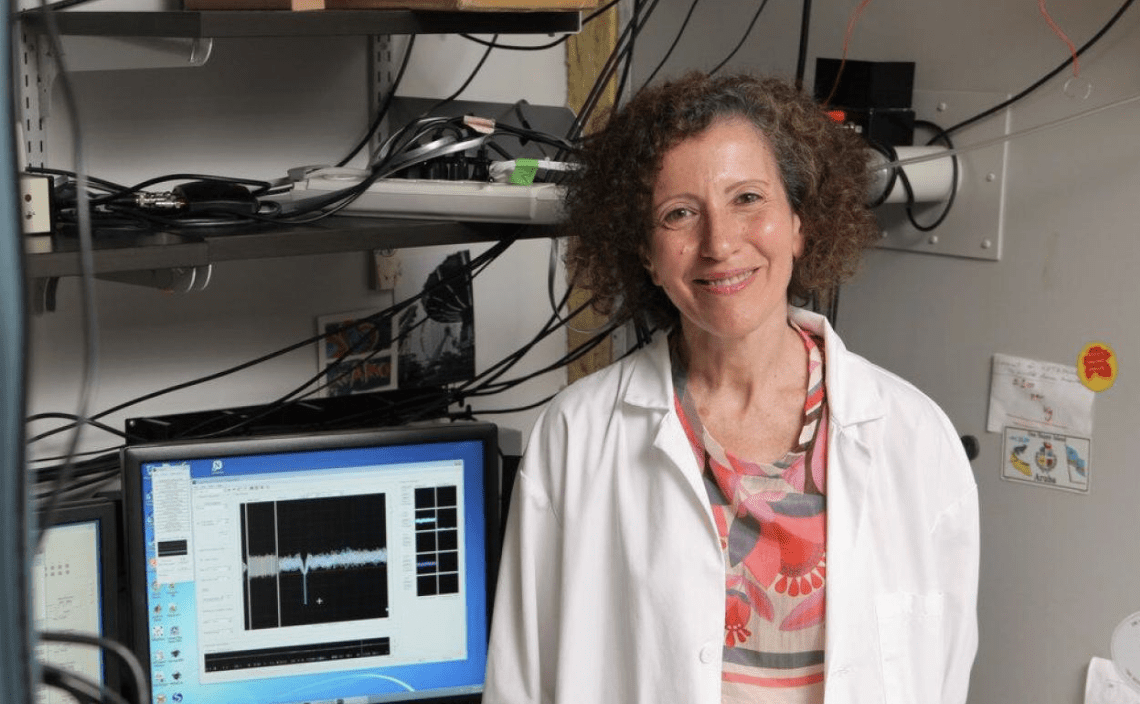
Jacqueline Gottlieb, PhD
Professor of Neuroscience; Principal Investigator at Columbia’s Zuckerman Institute
Dr. Gottlieb studies the mechanisms that underlie the brain’s higher cognitive functions, including decision making, memory, and attention. She focuses on how the brain gathers the evidence it needs — and ignores what it doesn’t — during everyday tasks and during special states such as curiosity. Her work in nonhuman primates has helped reveal bridges between perception and action and provides insights relevant to several forms of psychopathology. She completed her PhD in Neurobiology at Yale University and her postdoctoral training at the National Eye Institute before joining the neuroscience faculty at Columbia University in 2001.
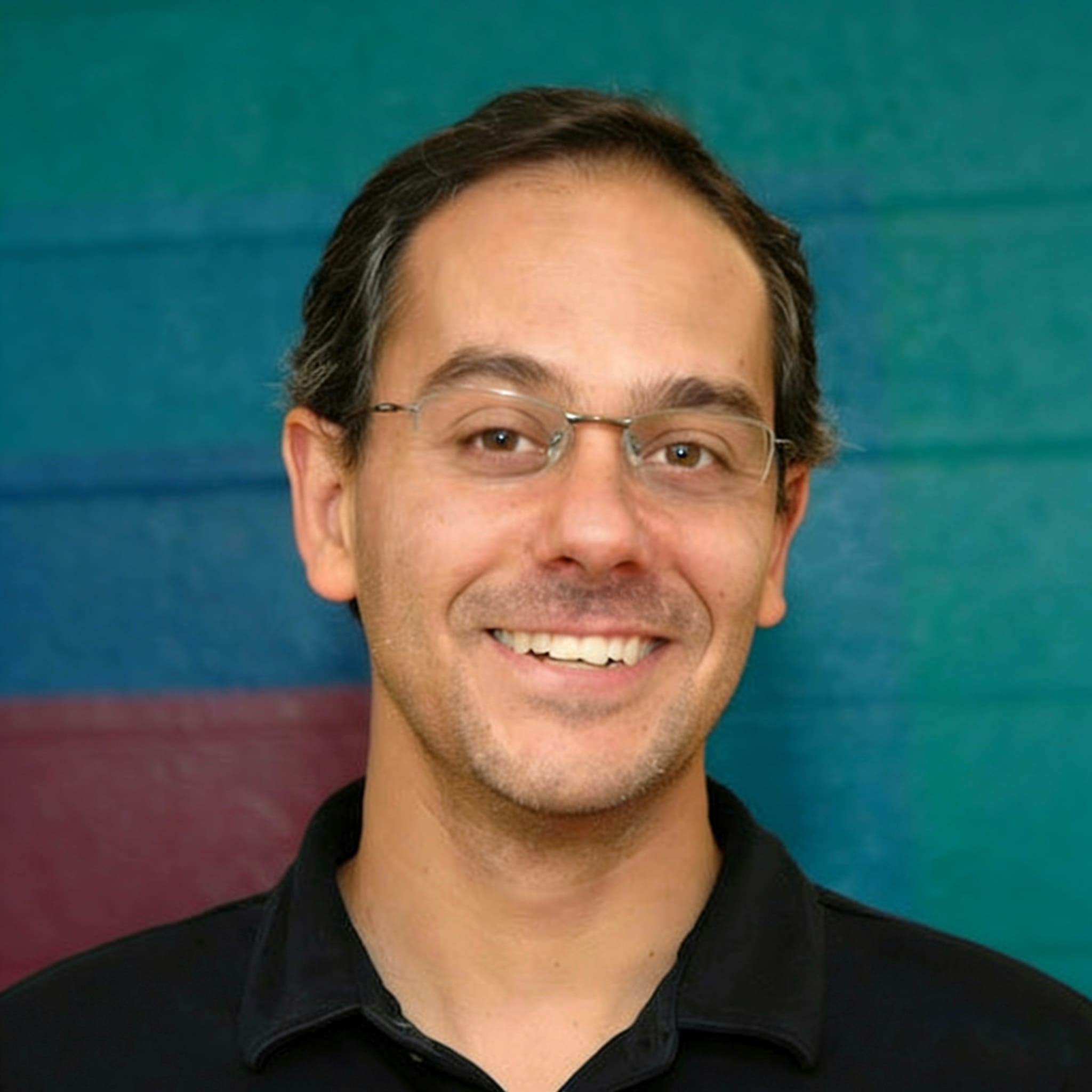
Luiz Pessoa, PhD
Professor, Department of Psychology, University of Maryland
Dr. Pessoa’s research centers around the interactions between cognition and emotion/motivation in the human brain. His work focuses on the highly interactive and modular nature of brain systems. He received an M.Sc. in Computer Engineering from the Federal University of Rio de Janeiro, Brazil and a PhD in computational neuroscience from Boston University. After serving on the faculty at the Federal University of Rio de Janeiro, he returned to the US as visiting fellow at the National Institute of Mental Health before joining the faculty in Psychology at the University of Maryland, College Park, where he also directs the Maryland Neuroimaging Center.
Cognitive and Sensory Neuroscience FAWG
The Cognitive and Sensory Neuroscience Focus Area Working Group (CSN-FAWG) brings together faculty from different Rutgers campuses, schools, and chancellor units, who share research interests in the neural mechanisms underlying sensation and cognitive functions. The investigators in this group have expertise on topics ranging from the molecular basis of pain and sensory transduction to the structure and dynamics of large-scale networks supporting higher cognitive functions such as memory and executive control.

Motivational and Affective Neuroscience FAWG
The Motivational and Affective Neuroscience Focus Area Working Group (MAN-FAWG) brings together faculty and trainees from different campuses, schools, and chancellor units, who share research interests in how motivational and affective processes contribute to health-related outcomes. There are currently two primary areas of expertise encompassed in the MAN-FAWG: addiction and feeding/eating behaviors.